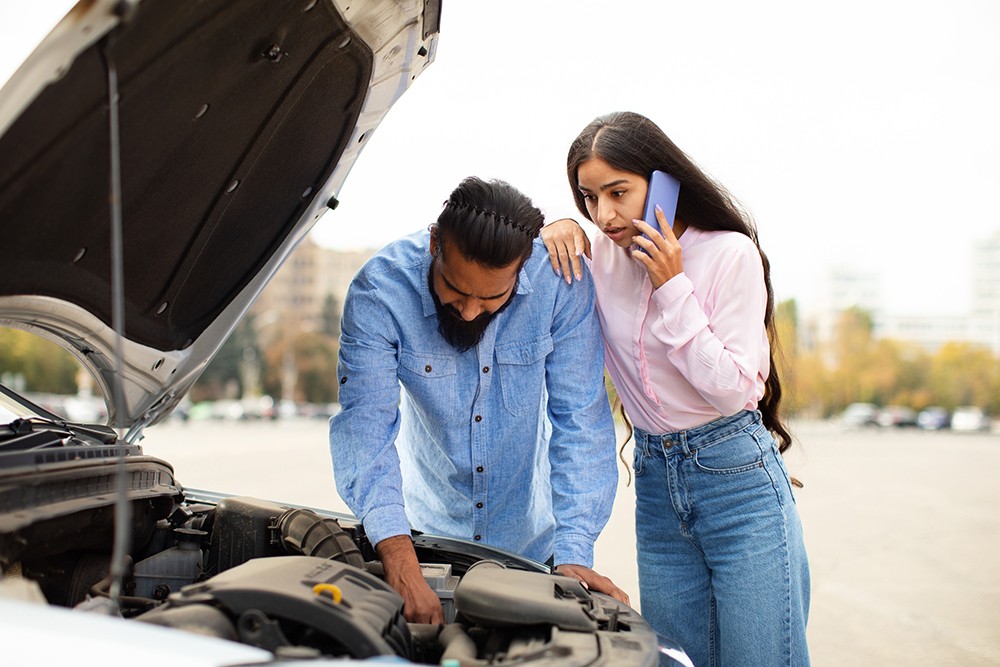
The stress of winter weather shows up on your vehicle in April no matter where you live. Keep your vehicle running in peak performance through the warmer months.
Rain, sleet, snow, road salt, potholes, excessive braking–drivers have encountered a variety of challenges in the past six months. The effects of harsh weather show up on your vehicle in April.
“Both winter and summer months can put a lot of wear and tear on vehicles as well as drivers,” says Tony Molla, national host of an auto-related podcast with more than 40 years of vehicle service experience. “Minor problems that go unnoticed in fall or spring can turn into expensive repairs in the heat and cold.”
For example, potholes encountered during winter months can lead to steering and wheel alignment issues.
Molla’s list of common issues that surface in early spring includes window chips, weak batteries and damage.
“Don’t let minor fixes lead to major issues if left unattended,” Molla said. “Call your service advisor to get a professional inspection before hitting the road this spring.”
Molla suggested the following items for the spring vehicle check-up:
- Leaks and drips. Fluid lines affected by winter weather can drain critical fluids slowly and, over time, damage key safety systems such as power steering and brakes.
- Brake system. Do you hear odd noises coming from the wheel well? Do you feel vibrations in the steering wheel? Other signs of brake system problems include a “squishy” brake pedal or the brake pedal that drops to the floor. Call your service advisor immediately.
- Climate control system. Does your vehicle churn out cool air? Do the settings work properly? Are there any restrictions in the vents? An inspection of your climate control system can reveal hidden problems and help keep your and your passengers cool all summer long.
- Pothole damage. Encountering a large pothole can cause damage to things like motor mounts, suspension system components, steering gear, wheels and tires.
- Tire wear and tear. Do your tires have enough tread depth? See if your tire tread has worn down to the “tread wear bar” -- a thin horizontal flap of rubber between tread blocks. Tires worn down to the tread bar have reached their legal minimum of tread and must be replaced.
- Change out winter tires. Summer weather shortens tread life of the softer rubber used in winter tires. Ask your advisor about all-season tires that are designed to handle spring or summer rains while also delivering excellent tread wear.
- Inspect tires for bulges, odd wear patterns and balding tires.
- Tire inflation. Underinflated tires can cause blowouts and accelerate tread wear. Improper inflation can lead to uneven tire wear or potentially blowouts. Tires lose up to 3 PSI per month.
- Wheel alignment. Proper alignment helps prevent uneven tire wear and improves steering.
- Wiper blades. Replace blades worn out by winter driving so you have improved visibility for spring travel.
- Battery strength. Do your windows roll up slowly and your vehicle lights appear dim? Does your vehicle have difficulty turning over in the morning? Cold weather temperatures drain battery power without warning.
- Cabin air filter. Reduce pollen from spring blooms from entering your passenger cabin through the climate control system. Replace your vehicle’s cabin air filter to help filter out allergens.
- Windshield chips and cracks. A small crack can grow and turn into an expensive window replacement.
- Spare tire. Don’t let a damaged spare tire sideline your family when you are traveling this spring. Check for cuts, tread depth and abnormalities.
- Wiper fluid tank. Spring rains can coat your windshield in grimy slosh. Pollen can coat it in yellow. Top off the reservoir to improve visibility and safety for your weekly errands and daily commute.
- Headlight brightness. Look for blown-out and dull bulbs. They’re an inexpensive way to improve visibility and safety, especially if you plan to travel to remote areas or places without streetlights.
Do you see any cracks in the headlight lens? Cracks in headlight housings can reduce brightness, allow moisture inside the housing and lead to corrosion.